
Unexpected problems during remodel projects happen more often than most homeowners realize. Hidden structural damage, outdated electrical systems, and water damage behind walls frequently appear once demolition begins. The key to managing these discoveries is preparation, flexibility in your budget, and working with an experienced contractor who can adapt quickly without compromising quality.
Why Hidden Problems Surface During Renovations
Most homes built more than 20 years ago hide issues that only become visible when walls come down or flooring gets removed. Previous owners may have covered problems with cosmetic fixes rather than addressing root causes. Arizona’s climate adds another layer of complexity, with extreme heat causing materials to expand and contract in ways that create hidden stress fractures and deterioration over time.
Building codes have also changed significantly over the decades. What passed inspection in 1980 may not meet current safety standards, requiring upgrades once work begins. This is especially true for electrical panels, plumbing vents, and structural supports that must comply with modern requirements.
Common Surprises That Appear During Full Renovations in Prescott
Water damage tops the list of unexpected discoveries. Slow leaks from roofs, windows, or plumbing can rot wood framing and floor joists without visible signs until renovation work exposes the affected areas. In northern Arizona, monsoon season and winter freezes create conditions where moisture problems develop silently over years.
Termite damage and pest infestations rank second. Even homes that passed termite inspections years ago can harbor hidden damage in areas that weren’t accessible during routine checks. Once walls open up during full remodels, the true extent becomes clear.
Outdated or dangerous electrical wiring presents another frequent challenge. Knob-and-tube wiring, aluminum wiring, or panels that can’t support modern electrical loads require complete replacement. These fixes add cost but protect your home and family from fire hazards.
How to Build Contingency Into Your Remodel Budget
Financial experts recommend setting aside 15 to 20 percent of your total renovation budget for unexpected issues. On a $100,000 project, that means keeping $15,000 to $20,000 in reserve. This buffer prevents you from making rushed decisions or choosing inferior solutions when problems surface.
For older homes built before 1990, increase that contingency to 25 percent. The likelihood of encountering outdated systems or structural issues rises significantly with building age. If you’re uncertain whether your home needs comprehensive work, understanding the signs that indicate a full remodel rather than minor updates can help you plan appropriately.
The Discovery Process and Documentation
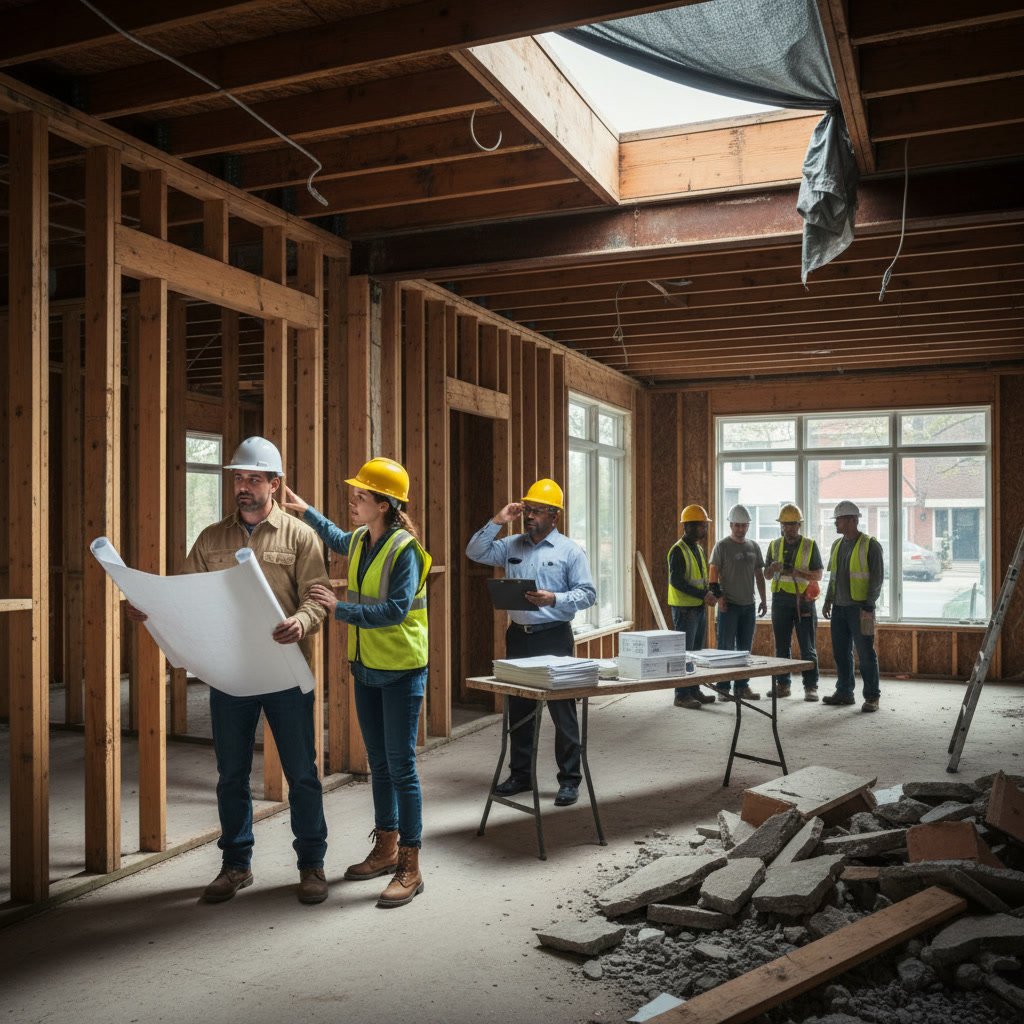
Professional contractors should document every unexpected issue with photos and detailed notes before proceeding with repairs. This documentation serves multiple purposes: it provides a clear record for insurance claims if applicable, justifies cost increases to lenders if you’re financing the project, and creates a historical record of your home’s condition.
Request a walkthrough whenever your contractor discovers something significant. Seeing the problem firsthand helps you understand why additional work is necessary and makes decision-making easier. Mountain Hawk Construction, Inc prioritizes transparent communication during these moments, ensuring homeowners understand both the problem and the proposed solution.
Prioritizing Which Problems to Address Immediately
Not every discovered issue requires immediate attention. Your contractor should help you categorize problems into three groups: critical safety issues that must be fixed now, important repairs that should be completed during this project, and minor items that can wait for future work.
Safety issues include structural instability, electrical hazards, gas leaks, and active water intrusion. These problems never get better on their own and often worsen rapidly. Addressing them immediately protects your investment and prevents catastrophic failure.
Important but non-critical repairs include outdated plumbing that still functions, insufficient insulation, or cosmetic damage to non-visible areas. Since walls are already open during renovation, completing these repairs now costs far less than opening walls again later.

Timeline Adjustments and Realistic Expectations
Every unexpected problem adds time to your project schedule. Structural repairs might add two to four weeks while materials are ordered and additional inspections are scheduled. Electrical panel upgrades require coordination with utility companies, which can introduce delays beyond anyone’s control.
Communicate clearly with your contractor about which deadlines are flexible and which are firm. If you need to move into the home by a specific date, your contractor can prioritize work to meet that goal, even if final touches extend beyond it. Understanding how a full home remodel progresses from planning to completion helps set appropriate expectations from the start.
Working With Your Contractor to Find Solutions
Experienced contractors have solved similar problems dozens of times. They know which solutions provide the best value and which shortcuts create future headaches. Trust their expertise, but don’t hesitate to ask questions until you fully understand your options.
Request multiple solutions when possible. For example, if rotted floor joists are discovered, your contractor might offer three approaches: sistering new joists alongside damaged ones, replacing individual joists, or installing an entirely new subfloor system. Each option carries different costs, timelines, and long-term benefits.
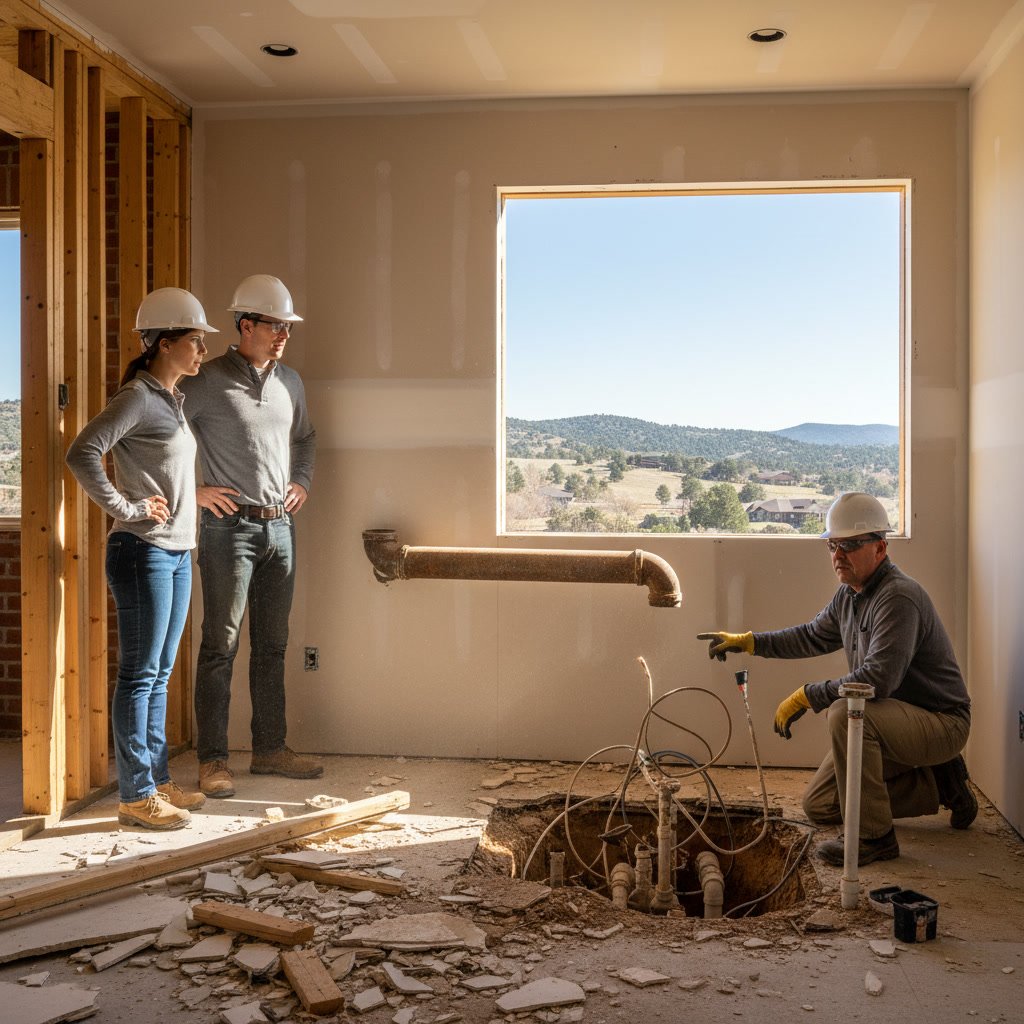
When working on specialized spaces like bathrooms or kitchens, unexpected plumbing issues are especially common. Cast iron drain pipes, galvanized supply lines, and improper venting often require updating to current code standards.
Permit Implications When Scope Changes
Discovering structural, electrical, or plumbing problems usually means your permit scope must expand. Some jurisdictions require amended permits when work extends beyond the original application. Your contractor should handle this process, but understand that additional permit fees and inspection delays may result.
Never skip permits to save time or money. Unpermitted work creates liability issues, complicates future sales, and may void insurance coverage if problems arise. Proper permits protect your investment and ensure all work meets safety standards.
Insurance Claims and Coverage Considerations
Some unexpected discoveries may be covered by homeowners insurance, particularly sudden water damage or hidden pest damage. Contact your insurance provider as soon as problems surface to determine coverage eligibility. Your contractor’s documentation becomes crucial evidence for claims processing.
Understand that insurance rarely covers damage from long-term neglect or deferred maintenance. If the roof leaked for years and you never repaired it, resulting water damage likely won’t be covered. However, if a hidden pipe suddenly failed behind a wall, coverage may apply.
Preventing Future Surprises Through Proper Planning
While you can’t predict every problem, thorough pre-construction inspections reduce surprises significantly. Hire specialists to inspect your foundation, roof, electrical system, and plumbing before renovation begins. These inspections cost $300 to $800 each but can identify major issues while you still have flexibility in your budget and timeline.
Request that your contractor conduct exploratory work in high-risk areas before finalizing project scope. Opening a few strategic sections of wall or ceiling costs relatively little but reveals conditions throughout the home. This approach works particularly well in older homes where original construction quality is unknown.
Mountain Hawk Construction, Inc often recommends phased approaches for extensive renovations. Completing foundational work first, then pausing to reassess before moving to finish work, allows for adjustments without derailing the entire project.
Turning Problems Into Opportunities
Unexpected discoveries aren’t always negative. Sometimes hidden features like original hardwood floors, interesting architectural details, or better-than-expected structural systems appear during demolition. Skilled contractors can incorporate these discoveries into updated designs, adding character and value you didn’t anticipate.
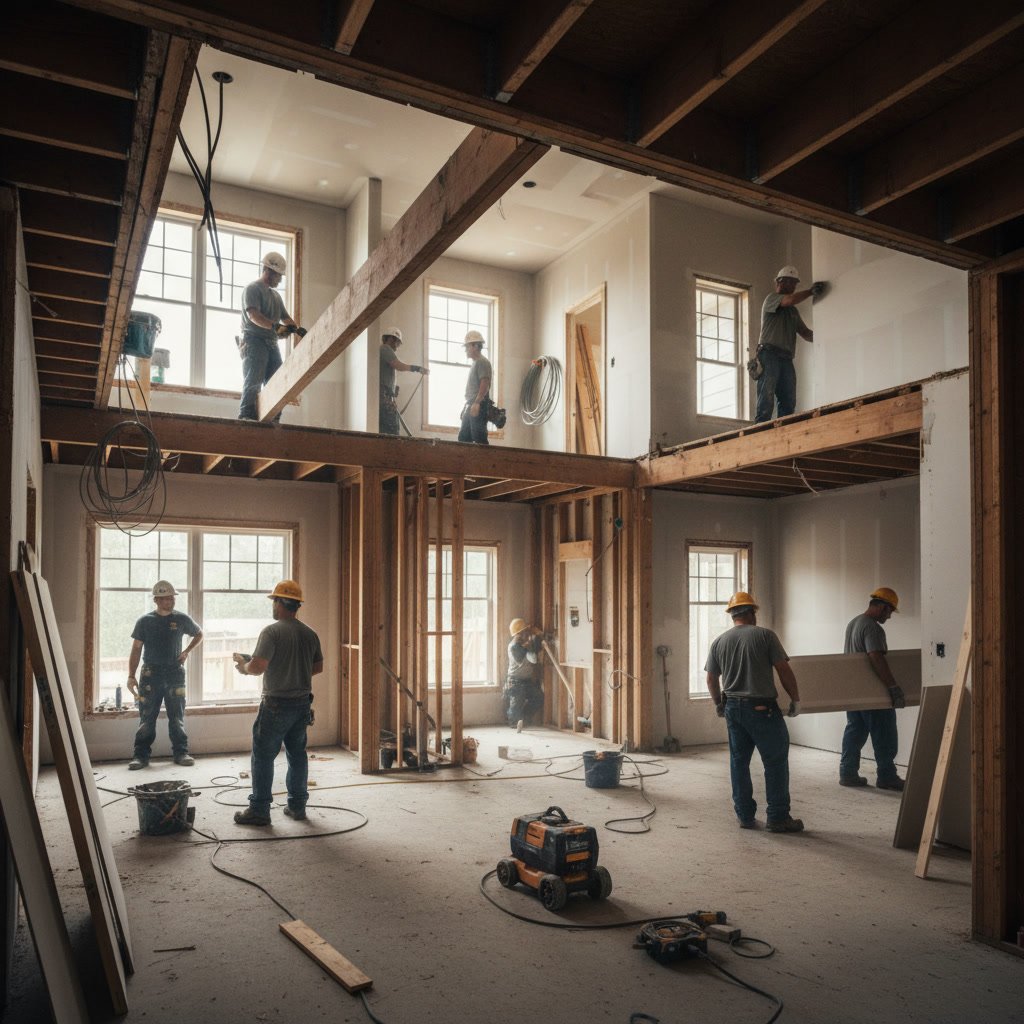
When repairs require opening walls or ceilings beyond the original scope, take advantage of the access. Upgrading insulation, running new electrical circuits, or improving HVAC ductwork becomes far more cost-effective when those areas are already exposed. What starts as an unwelcome surprise can become an opportunity to improve your home beyond the original plan.
Problems discovered during interior and exterior remodeling projects also provide valuable information about maintenance priorities for the next decade. If your contractor finds that one corner of the house has moisture issues, you can address drainage problems that might affect other areas in the future.
Moving Forward With Confidence
Managing unexpected problems during remodel work requires financial preparation, clear communication with your contractor, and flexibility in both timeline and scope. By building appropriate contingencies into your budget, prioritizing safety-critical repairs, and trusting experienced professionals to guide solutions, you can navigate surprises without derailing your project. The most successful renovations aren’t those without problems but those where problems are addressed systematically and professionally.
If you’re planning a renovation and want to work with a contractor who handles unexpected challenges with transparency and expertise, +19288307023 connects you directly with professionals who have managed hundreds of complex projects throughout northern Arizona.